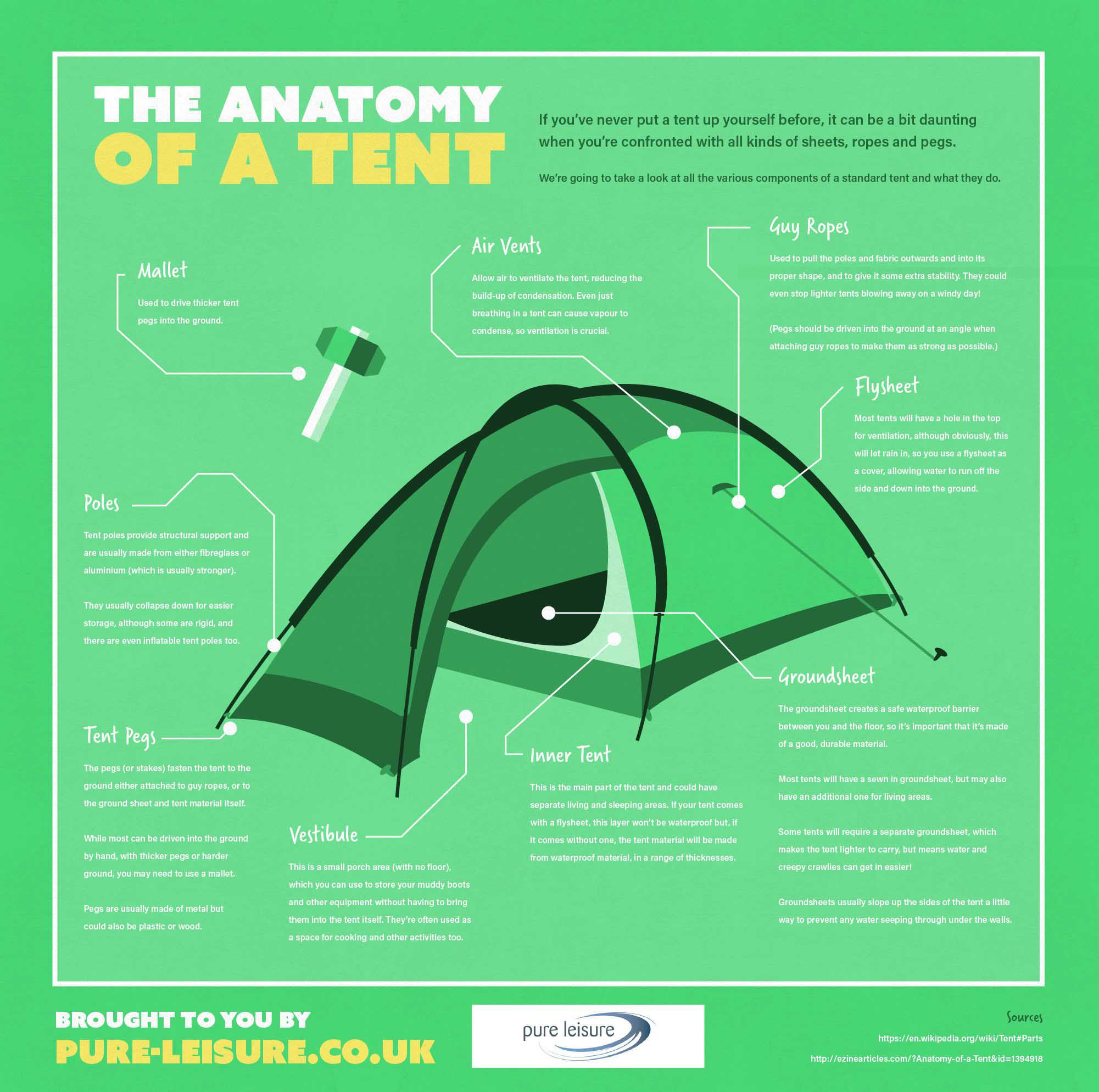
The Role Of Rain Flies In Reducing Condensation
Picking the Right Stakes for Person LinesFor ounce counters, risks are a prime area to economize. A lot of stake sets feature a things sack that makes them simple to pack and safeguard.
They can easily permeate softer, sandy dirts and ache duff but fight with rough surface. Their blunt ends gain from the use of a club.
Hook Risks
Essentially lengthy needles with a factor on one end and a flattened head at the other, pin risks are basic but effective. They function well in hard ground where it's tough to drive in longer risks and do especially good work in rocky terrain, as the idea can function its way in between hidden rocks. Some versions (like Sea to Top's Ground Control risks) have 3 notches for individual lines, which reduce take advantage of and boost holding power.
An usual choice to shepherd's hook stakes, plastic utility stakes generally have a Y-shaped shaft that will not turn in the soil and often tend to be longer than hook stakes. They're solid and resilient enough for moderate usage, though they are breakable if you try to hammer them into rock or hard soil. They also need to be angled adequately to stop the man line from slipping off if it comes to be relaxed with time (knotting it around the shaft twice can help). Length: Longer risks compact soil over a higher deepness and quantity, which can raise total frictional resistance.
Nail/Pin Risks
Toenail stakes have a pencil point for simple driving into clay, rock, or compacted soil. These stakes are also extra durable than wood stakes and do not splinter. They are typically made use of in building and construction, fencing, and erosion control tasks.
These risks have actually 12 spirally set up toenailing holes one inch on center offering each stake with 24 prelocated nail entry points making them easy to use and fast to mount. This nailing layout gets rid of splitting, turning and splintering enhancing worker safety and security and removing shed labor time.
They are frequently utilized in concrete forming to secure lumber or steel concrete kinds and in flatwork applications. They are likewise a prominent choice for connecting screed bar owner clamps in flatwork finishing, string line overviews, safeguarding landscape lumbers and checking stakes. They are made from cool rolled united state made tool steel for added toughness and toughness. They have a typical life 2 to 3 times that of competitors warm rolled risks.
V Stakes
Many outdoor tents risk styles exist, ranging from straightforward aluminum and titanium rounded stakes to carbon-fibre ones designed for a series of terrain. Choosing the appropriate stakes depends upon tent type, camp website location and ground density.
As any kind of risk is driven into the ground, it displaces some soil along its length. The displaced dirt compacts the dirt instantly beside the stake and aids to increase its stamina.
Risks with a v-shaped cross section (like MSR's Ground Hog Y risks or Sierra Styles FL stakes) are a lot more resilient than hook risks without adding much weight, and they also have a hassle-free notch for the man line. Nonetheless, they may lack as much holding power in tough or rocky ground. In such instances, angling the stake closer to upright can help. This makes best use of the possibility that a pulling pressure will get to compacted layers of dirt, enhancing the risk's resistance to fashion accessory being taken out. Similarly, longer risks penetrate much deeper into the dirt and increase total compaction.
Deck Stakes
Basically a thicker Y-peg, these risks utilize an added flange to enhance surface and improve holding power. While a great option in loose and sandy substratums, they do disturb even more dirt on insertion than less complicated shapes. This can decrease holding power in tough, dense ground - however it's still a far better choice than nails or pins.
A variant on the Y-stake, these stakes have three notches for individual lines to help reduce take advantage of and can be valuable in hard and rough ground. They additionally tend to be brief and light, making them a great option for backpacking in rough terrain. The Sierra Layouts Ground Control stakes are an example of this kind, though there are lots of others on the market.
Like various other risks that do not have a hook or individual line notch, these will certainly require to be angled sufficiently to prevent the line from slipping off (as can occur if the line ends up being slack). Knotting the line twice around the shaft can assist.